Chair yoga exercises are one of the safest and most effective ways for older adults to stay active while protecting their joints. Whether you’re new to exercise, managing arthritis, recovering from an injury, or simply looking for a gentle way to improve your health, chair yoga exercises for seniors offer an easy and accessible solution.
Unlike traditional yoga, chair yoga is performed while sitting on a sturdy chair or using one for support. This makes it ideal for seniors with limited mobility, balance concerns, knee pain, or hip stiffness. These gentle seated movements help improve flexibility, strengthen muscles, enhance balance, reduce joint discomfort, and support better posture—all from the comfort of your home.
besides this, A foldable weight bench is alternative of chair yoga.it can provide a convenient, space-saving option for performing supported strength-training exercises at home.If you’re ready to explore another gentle way to build strength and improve your overall fitness, read our guide: Foldable Weight Bench: A Safe and Space-Saving Strength Training Solution for Seniors Over 50.
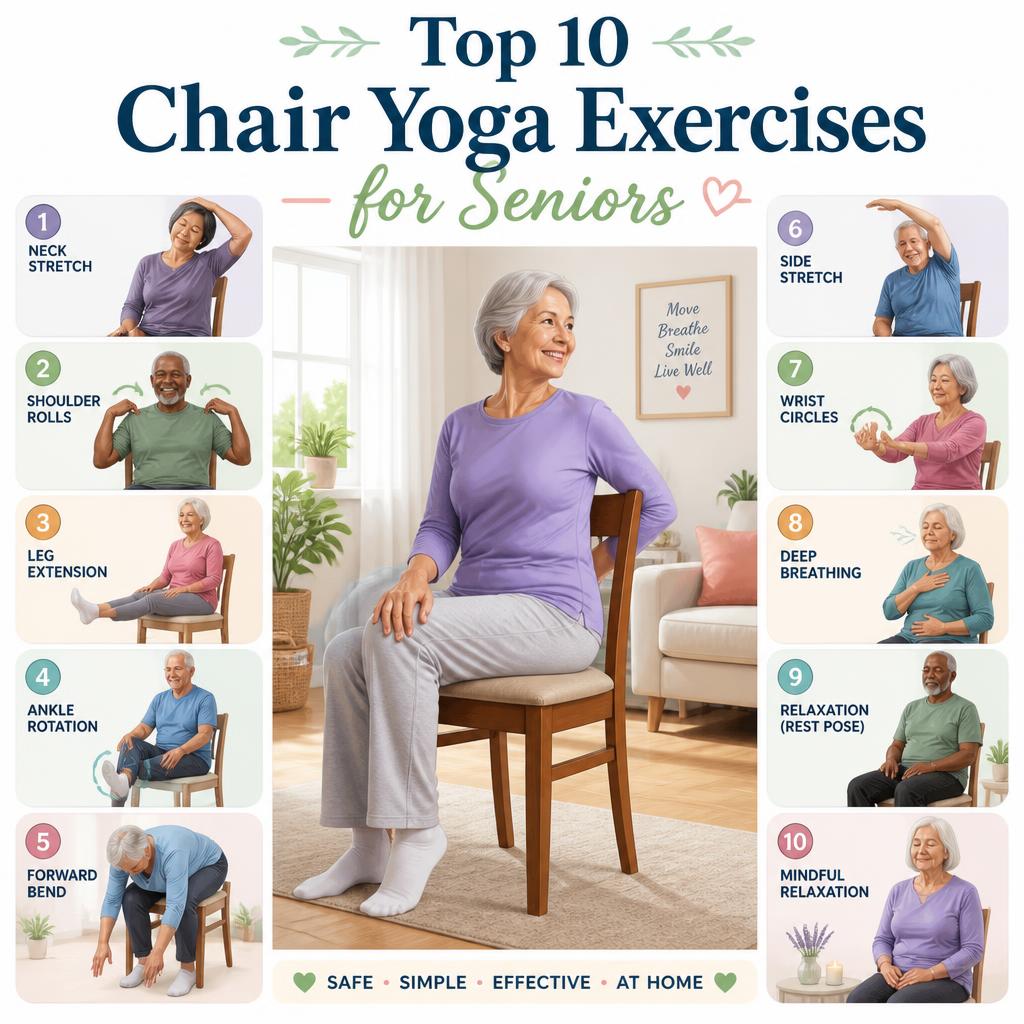
In this guide, you’ll discover 10 easy chair yoga exercises designed specifically for chair yoga seniors over 50. Each exercise includes simple step-by-step instructions, safety tips, and the health benefits you can expect from regular practice.
Whether your goal is to stay independent, move with less pain, or simply feel more energized, these beginner-friendly chair yoga exercises can help you build a healthier daily routine.
 1. Seated Neck Stretch
Slowly tilt your head left and right to release neck tension.
How to do it: Sit upright with your feet flat on the floor and hands resting on your thighs. Inhale deeply to lengthen your spine. As you exhale, gently tilt your head toward your right shoulder, bringing your right ear closer to the right arm. Do not lift your shoulder to meet your ear. Feel a mild, comfortable stretch along the left side of your neck. Hold for 15–20 seconds, breathing normally. Inhale to slowly return your head to center. Repeat on the left side.
Another way, You can use this product Electric Shiatsu Shoulder & Back Massager with Heat or Shiatsu Back Shoulder and Neck Massager which also helps to mitigate muscle cramps, Relieves muscle soreness and stiffness in neck, shoulders, and back Helps break up knots and tight spots, Stress reduction and relaxation.
Safety tip: Avoid tilting your head backward or rolling your neck in circles, as this can compress the cervical spine. Move only side-to-side and forward/down as needed.
 2. Shoulder Rolls
Roll shoulders forward and backward to improve upper body mobility.
How to do it: Sit tall with your arms relaxed at your sides. Inhale, then as you exhale, lift both shoulders up toward your ears. Gently roll them backward in a smooth, circular motion—down, around, and up again. Complete 5–6 slow backward rolls. Then reverse direction, rolling your shoulders forward 5–6 times. Keep your neck relaxed and your breathing steady throughout. if you feel very pain in shoulder, you can also use Cordless Shoulder Heating Pad with Massage . It delivers deep-penetrating warmth to accelerate blood flow, effectively alleviating persistent pain from conditions like frozen shoulder, tendonitis, and muscle stiffness. This Shoulder Massager Used for Pain Relief Deep Tissue.
Why it helps: This movement releases tension from the upper back and neck, improves posture, and counteracts the “hunching” effect that comes from sitting for long periods or using phones and computers.
 3. Seated Deep Breathing
Inhale deeply through the nose and exhale slowly for relaxation.
How to do it: Sit comfortably with your hands resting on your belly or thighs. Close your eyes if you wish. Inhale slowly and deeply through your nose for a count of 4, feeling your belly expand like a balloon. At the top of the breath, pause gently for 1–2 seconds. Exhale slowly and completely through your nose (or pursed lips) for a count of 6, feeling your belly fall. Repeat for 5–10 breaths. besides, this steps you may use Deep Breathing Trainer with Flow Rate Indicator device for Lungs like Respiratory Health & Recovery. Natural Breathing Exerciser naturally increases lung strength and capacity; improving oxygen uptake to vital organs.
Why it works: Deep breathing activates the parasympathetic nervous system, lowering blood pressure, reducing stress hormones, and calming anxiety. It also increases oxygen flow to muscles and the brain.
 4. Seated Spinal Twist
Gently rotate your upper body to improve spine flexibility.
How to do it: Sit sideways on a sturdy chair (without armrests if possible), holding the back of the chair with both hands, or sit facing forward and place your left hand on your right knee and your right hand on the chair’s back. Inhale to lengthen your spine. As you exhale, gently twist your torso to the right, turning your head and gaze in the same direction. Keep your hips facing forward. Hold for 15–20 seconds, breathing easily. Inhale back to center. Repeat on the left side.
on the other hand, Crawling Training Machine Spine Twist & Stretch Trainer Effective for Waist & Spine Workout, back stretcher for lower back pain relief.
Safety tip: Do not force the twist. Stop if you feel sharp pain in your lower back. The stretch should feel gentle, not strained.
 5. Leg Extensions
Extend one leg at a time to strengthen knees and thighs.
How to do it: Sit tall with your back supported and both feet flat on the floor. Hold the sides of the chair for stability if needed. Inhale, then as you exhale, slowly straighten your right leg in front of you, foot flexed (toes pointing toward the ceiling). Squeeze your right thigh muscle and hold for 5–10 seconds. Inhale as you slowly lower your foot back to the floor. Repeat 8–10 times, then switch to the left leg. Alternately, Leg extension’s purpose use this kinds of CastleFlexx Mobility and Strengthening Device to strengthen knees and thighs, and alleviate common pain point. it offers a comprehensive solution for better mobility and overall wellness.
Why it perform: This seated “kick” strengthens the quadriceps (front thigh muscles), which support your knees during standing and walking. Strong quads also reduce the risk of falls.
 6. Ankle Rotations
Rotate ankles clockwise and anti-clockwise to improve circulation.
How to do it: Sit comfortably and extend your right leg slightly forward, heel resting on the floor (or you can lift the foot entirely off the floor if comfortable). Slowly rotate your right foot in a full circle clockwise 8–10 times. Then reverse to counter-clockwise 8–10 times. Repeat with your left foot. For a lighter version, keep both feet on the floor and simply lift one heel, rotating the ankle while the toe stays in place.
Why it helps: Ankle rotations reduce swelling in the lower legs, improve circulation, prevent stiffness, and maintain range of motion essential for walking and climbing stairs.
 7. Wrist Circles
Helps reduce stiffness in hands and fingers.
How to do it: Extend both arms in front of you at shoulder height or rest your forearms on your thighs. Make a gentle fist with each hand. Slowly rotate both fists in a circular motion from your wrists—not your elbows. Do 8–10 circles in one direction, then reverse for 8–10 circles. Open your hands and spread your fingers wide. Wiggle them for a few seconds.
Hand Grip Strengthener or Finger Exerciser strength trainer set provides gentle resistance for easy hand exercises, accelerates recovery, and helps prevent future injuries. Excellent for office workers or anyone who uses their hands extensively, ensuring daily hand strength and flexibility.
Why it helps: This is excellent for seniors with arthritis, carpal tunnel syndrome, or hand weakness. It maintains dexterity for daily tasks like opening jars, buttoning shirts, or using utensils.
 8. Forward Seated Bend
Lean forward gently to stretch the lower back.
How to do it: Sit toward the front edge of your chair with feet flat, slightly wider than hip-width apart. Inhale to sit tall. As you exhale, slowly hinge forward from your hips, letting your hands slide down your shins or rest on your knees. Allow your head and neck to relax completely. Feel a gentle stretch along your entire back. Hold for 20–30 seconds. To come up, engage your core, inhale, and slowly roll up one vertebra at a time.
Safety tip: If you have osteoporosis, avoid curling your spine forward deeply. Instead, lean forward only slightly while keeping your back flat.
 9. Side Stretch
Raise one arm and lean sideways for spine flexibility.
How to do it: Sit tall with your feet flat. Place your left hand on the left side of the chair seat for support. Inhale, then as you exhale, raise your right arm straight up toward the ceiling, palm facing inward. Gently lean your upper body to the left, keeping your hips heavy and still. Feel the stretch along your right ribs, waist, and hip. Hold for 15–20 seconds, breathing deeply. Inhale back to center, lower your arm, and repeat on the other side.
Why it helps: Side stretches lengthen the intercostal muscles (between ribs), improve breathing capacity, and reduce stiffness in the lower back and hips.
 10. Relaxation Pose
Sit quietly, close your eyes, and breathe slowly.
How to do it: Scoot back in your chair so your spine is fully supported. Place your hands palms-up on your thighs or folded in your lap. Close your eyes gently. Allow your jaw, shoulders, hands, and belly to soften. Let your breath return to its natural rhythm—no forcing. For 2–5 minutes, simply notice the sensation of breathing or focus on a peaceful mental image (e.g., a quiet lake, a warm room, or gentle waves). If your mind wanders, gently return to your breath.
Why it helps: This final pose consolidates the benefits of the previous exercises. It lowers heart rate, reduces cortisol (stress hormone), improves mood, and helps the body restore itself. Many seniors find this short meditation leaves them feeling clearer-headed and more energetic than before they started.
 Benefits of Chair Yoga
Practicing chair yoga exercises for seniors just 10–20 minutes a day can provide many physical and mental health benefits, including:
- Improves flexibility: Gentle daily stretching keeps muscles and joints from stiffening.
- Reduces joint pain: Movement lubricates arthritic knees, hips, and hands.
- Enhances balance: Strengthens core and leg muscles to help prevent falls.
- Improves circulation: Combines movement and deep breathing to boost blood flow, reducing cold hands and feet.
- Reduces stress: Slow, mindful movements lower anxiety and promote better sleep.
Boost Overall Well-Being : Consistent chair yoga exercises for seniors can improve energy levels, sleep quality, confidence, and independence while supporting healthy aging.
Safety notes:Before starting any new exercise program, consult your healthcare provider, especially if you have:
- High blood pressure
- Osteoporosis
- Recent surgery
- Joint replacements
- Severe arthritis
- Heart or balance conditions
Always move slowly, breathe naturally, and stop immediately if you experience sharp pain, dizziness, or shortness of breath. Remember, chair yoga should feel gentle and comfortable—never painful.
To know another Essential Chair Yoga Positions for Beginners visit the Chair Yoga for Seniors Page.
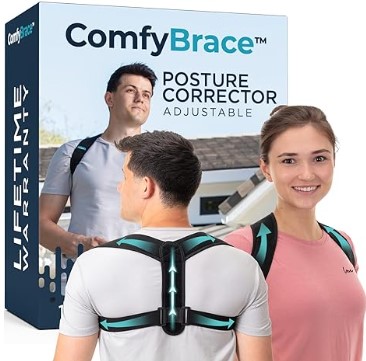
ComfyBrace Posture Corrector-Back Brace for Men and Women- Fully Adjustable Straightener for Mid, Upper Spine Support- Neck, Shoulder, Clavicle and Back Pain Relief-Breathable
More Details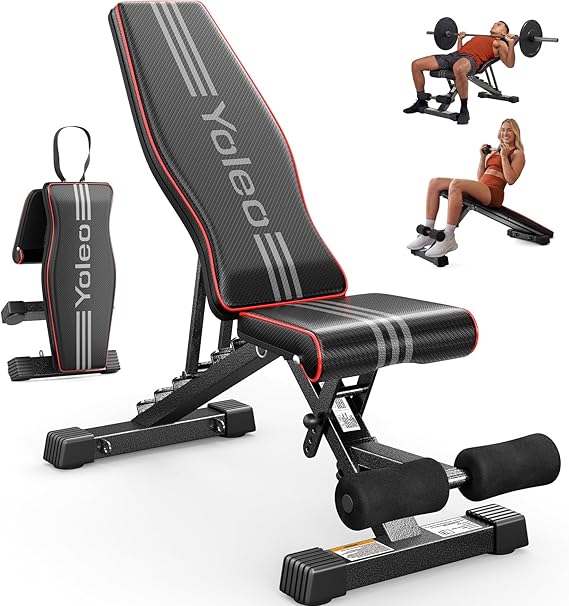
YOLEO Adjustable Weight Bench for Home Gym, ASTM-Certified 827LBS, 98% Pre-Assembled, Foldable Gym Bench with 84 Positions Incline Decline Flat, Wider Seat
More Details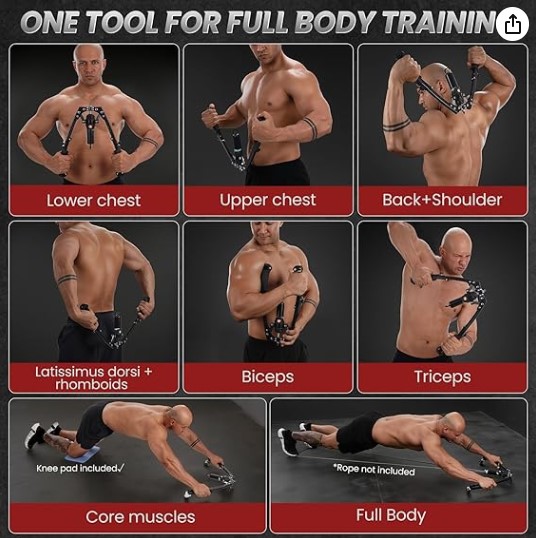
Twister Arm Trainer, 3 in 1 Hydraulic Power Chest Workout Equipment with Ab Roller Wheels and Hooks, Adjustable 22-440lbs Arm Trainer for Men Women, Home Gym Equipment for Full Body Strength Training
More Details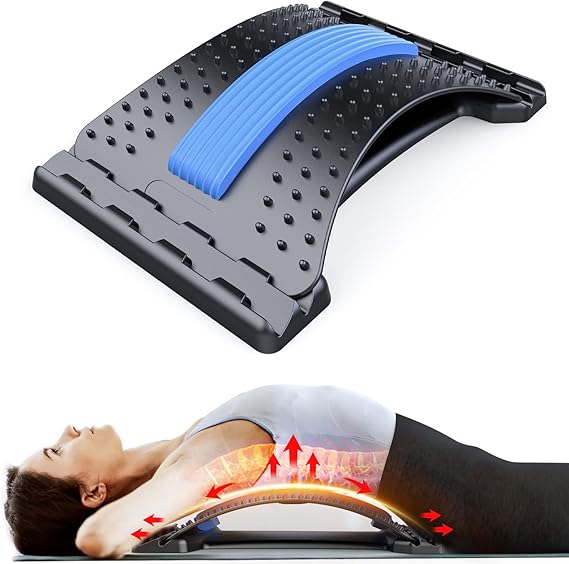
MINOLL Back Stretcher for Lower Back Pain Relief, Multiple Level Adjustable Arch Lumbar Back Cracker Board, Back Cracking Device, Back Massager for Scoliosis, Spine Decompression Support
More Details